

Choosing the best urology hospital in Ahmedabad is one of the most important decisions for your kidney and urinary health. At Unigold Hospital, we combine experienced urologists, advanced surgical technology, and patient-first care to deliver outstanding outcomes. Here’s what makes us the top urology hospital in Ahmedabad:
Best Urology Hospital in Ahmedabad – Unigold Hospital

Urology
Complete Care for Kidney, Prostate & Urinary Health
Unigold Hospital is recognized as the best urology hospital in Ahmedabad, offering comprehensive care for conditions affecting the urinary tract and male reproductive system. Our Department of Urology specializes in the diagnosis and treatment of kidney, bladder, ureter, urethral, and prostate disorders using advanced medical and minimally invasive surgical techniques. Located in Jivraj Park, Ahmedabad, we provide complete urological care under one roof — from advanced kidney stone treatment and prostate surgery to UTI management and male reproductive health solutions.
From kidney stones and urinary infections to prostate enlargement and complex urological conditions, our goal is to restore comfort, function, and long-term urinary health. As one of the leading urology hospitals in Ahmedabad, our team focuses on early diagnosis, precise treatment planning, and minimally invasive approaches to ensure faster recovery and reduced discomfort.
Urological Conditions We Treat at Unigold Hospital
Our Urology department provides expert evaluation and treatment for a wide range of urinary and male reproductive health conditions. From common issues such as kidney stones and urinary tract infections to complex prostate and bladder disorders, we focus on accurate diagnosis, timely intervention, and personalized treatment plans to ensure effective relief and long-term health.

Kidney Stones
Diagnosis and minimally invasive treatment of renal and ureteric stones using advanced stone removal techniques.

Urinary Tract Infections (UTIs)
Treatment of recurrent or complicated infections affecting the bladder and urinary system.

Enlarged Prostate (BPH)
Medical and surgical management of benign prostatic hyperplasia causing urinary difficulty in men.

Prostate Disorders
Evaluation and treatment of prostate inflammation, enlargement, and other related conditions.

Bladder Conditions
Management of bladder infections, stones, urinary retention, and bladder control issues.

Male Reproductive Health
Treatment for conditions affecting male fertility, erectile dysfunction, and other reproductive concerns.

Urinary Incontinence
Evaluation and treatment options for loss of bladder control in men and women.
Advanced Diagnostic Support for Urology Care
Early and accurate diagnosis plays a vital role in effective urological treatment. At Unigold Hospital, our Urology department is supported by modern diagnostic facilities that help detect conditions at an early stage and guide precise treatment planning.

Ultrasound Imaging
A safe and non-invasive imaging test used to evaluate kidneys, bladder, prostate, and detect stones, swelling, or structural abnormalities.

Digital X-Ray
Provides clear imaging support for detecting kidney and ureteric stones and assessing urinary tract conditions.

Laboratory Investigations
Comprehensive blood tests help evaluate kidney function, infection markers, and overall health status.
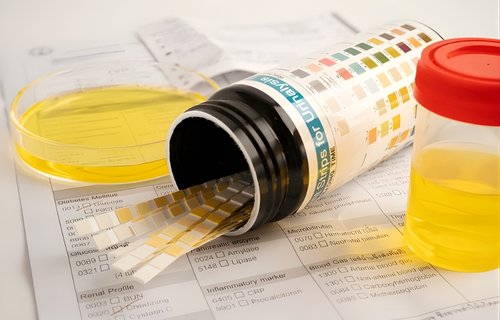
Urine Analysis & Culture Tests
Used to detect infections, blood in urine, stone-related issues, and identify the exact bacteria causing urinary infections.
Kidney Stone Treatment in Ahmedabad — At Unigold
Hospital, we offer diagnosis and minimally invasive treatment of renal, ureteric, and bladder stones using advanced stone removal techniques. Our urologists perform a range of procedures including:
- Laser Kidney Stone Removal (RIRS): for ureteric and small kidney stones
- PCNL (Percutaneous Nephrolithotomy): for large kidney stones
- URSL (Ureteroscopic Lithotripsy): for ureter stones
- ESWL (Shock Wave Lithotripsy): non-invasive stone breaking
Our kidney stone specialists in Ahmedabad select the best technique based on stone size, location, and patient condition — ensuring painless treatment and same-day discharge in most cases.
Enlarged Prostate (BPH) Treatment in Ahmedabad
Medical and surgical management of benign prostatic hyperplasia (BPH) causing urinary difficulty in men. At Unigold Hospital, we offer:
- TURP (Transurethral Resection of the Prostate): gold standard for prostate surgery
- Laser Prostate Surgery: minimally invasive option
- Medication therapy for early: stage BPH
Our prostate specialists in Ahmedabad provide complete prostate care including PSA screening, biopsy, and treatment of prostatitis, BPH, and prostate cancer.
When Should You See a Urologist in Ahmedabad?
Consult our best urologists in Ahmedabad if you experience any of the following symptoms:
Severe pain in the side, back, or lower abdomen
Loss of bladder control or urinary leakage
Burning sensation or pain during urination
Frequent urination, especially at night
Cloudy, foul-smelling urine
Blood in urine (haematuria)
Pelvic pain or pressure
Pain or swelling in the testicles
Sexual or reproductive health concerns in men
Early consultation ensures timely diagnosis and prevents complications. Book your urologist appointment in Ahmedabad at Unigold Hospital today.
Advanced Urological Procedures We Perform

Our urology team in Ahmedabad performs a wide range of advanced surgical and minimally invasive procedures:
- RIRS: Retrograde Intrarenal Surgery
- PCNL: Percutaneous Nephrolithotomy
- URSL: Ureteroscopic Stone Removal
- TURP: Transurethral Prostate Surgery
- Cystoscopy: Bladder examination
- Circumcision Surgery
- Hydrocele & Varicocele Surgery
- Laparoscopic Urology Procedures
Why Unigold is the Best Urology Hospital in Ahmedabad
Experienced Urology Specialists
Minimally Invasive & Laser Techniques
NABH Accredited Quality Standards
24/7 Emergency Urology Care
Complete Care Under One Roof
Patient-Centered & Confidential Approach

Frequently Asked Questions (FAQs)
You should consult a urologist if you experience frequent urination, pain during urination, blood in urine, kidney stone symptoms, or prostate-related issues.
Some small stones can pass naturally with medication and hydration, while larger stones may require minimally invasive procedures.
Yes, benign prostate enlargement is common in men above 50 and can be managed with medication or minimally invasive surgery.
No. Small kidney stones may pass naturally with medication and hydration. Larger stones may require minimally invasive procedures such as laser or endoscopic removal.
Recovery time depends on the procedure, but minimally invasive techniques usually allow faster healing and shorter hospital stays.
Modern techniques and anesthesia ensure minimal discomfort during and after procedures.
Book Your Consultation Today
If you are experiencing urinary symptoms, kidney stone pain, or prostate-related concerns, our Urology team at Unigold Hospital is here to help.
