Nephrology

Nephrology

Comprehensive Kidney Care You Can Trust

At Unigold Hospital, our Department of Nephrology provides specialized care for kidney-related diseases and disorders. We focus on early detection, accurate diagnosis, and effective management of acute and chronic kidney conditions using evidence-based medical treatment and advanced dialysis support.

From kidney infections and electrolyte imbalances to chronic kidney disease and kidney failure, our goal is to protect kidney function, prevent complications, and improve overall health and quality of life. With modern dialysis facilities and experienced nephrologists, we provide safe, compassionate, and continuous kidney care under one roof. Our team emphasizes regular monitoring, lifestyle guidance, and long-term management plans to help patients maintain stable kidney function and lead healthier lives. We are committed to delivering reliable, patient-centered care at every stage of treatment.

Book Your Appointment & Take the First Step Toward Better Nephrological Health.

Kidney Conditions We Treat

Kidney diseases can develop gradually and may not show symptoms in the early stages. Timely diagnosis and proper medical care are essential to prevent complications and protect long-term kidney function. At Unigold Hospital, our nephrology team provides comprehensive evaluation and personalized treatment plans for a wide range of kidney-related disorders.

Chronic Kidney Disease (CKD)

Long-term management focused on slowing disease progression, controlling underlying causes, and preventing complications such as high blood pressure and anemia.

Acute Kidney Injury (AKI)

Prompt medical treatment to restore kidney function when sudden damage occurs due to infection, dehydration, medications, or critical illness.

Kidney Failure

Comprehensive care including medication management, lifestyle guidance, and dialysis support when kidneys are unable to function adequately.

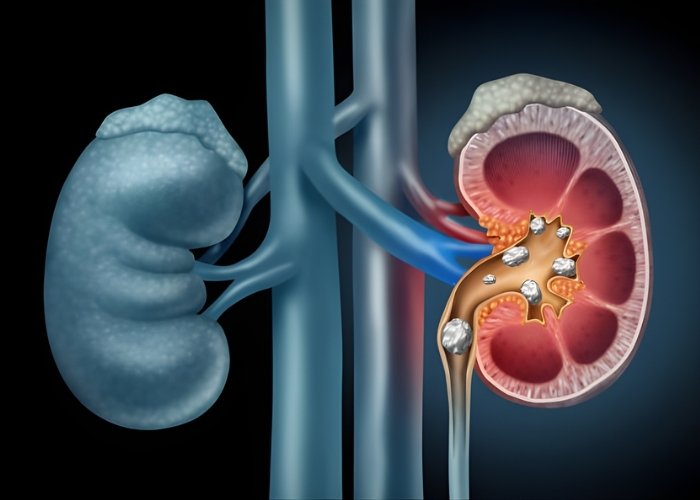
Kidney Stones

Evaluation and medical management of kidney stones, with coordinated care alongside urology specialists when intervention is required.

Nephrotic Syndrome

Treatment aimed at reducing protein loss in urine, controlling swelling, and managing underlying causes affecting kidney filtration.

Electrolyte Imbalances

Careful monitoring and correction of abnormal sodium, potassium, and fluid levels to maintain overall body balance and prevent complications.

Diabetic & Hypertensive Kidney Disease

Specialized management to protect kidney function in patients with diabetes and high blood pressure, reducing the risk of long-term damage.

Dialysis Services

When kidney function declines significantly, dialysis becomes essential to remove waste products, excess fluids, and maintain the body’s chemical balance. At Unigold Hospital, our dialysis unit is equipped with advanced machines, strict infection control protocols, and continuous medical supervision to ensure safe, reliable, and comfortable treatment for every patient.

Hemodialysis

A planned and regularly scheduled procedure that uses advanced dialysis machines to filter waste, toxins, and excess fluids from the blood, helping maintain proper body balance when the kidneys are no longer functioning effectively.

Emergency Dialysis

An urgent life-saving procedure performed in critical situations such as sudden kidney failure, severe electrolyte imbalance, or dangerous fluid overload, ensuring rapid stabilization under close monitoring by our specialized medical team.

Why Choose Unigold Hospital for Nephrology & Dialysis?

At Unigold Hospital, we understand that choosing the right doctor and hospital is an important decision for you and your family. Our Neurology team is committed to providing compassionate care, accurate diagnosis, and long term health support, all in a safe and comfortable environment you can trust.

Experienced Nephrology Specialists

Modern Dialysis Units with Advanced Monitoring

Personalized Long-Term Kidney Care Plans

Coordinated Care for Diabetic & Hypertensive Patients

Complete Care Under One Roof

Compassionate & Patient-Centered Support

FAQs

Dialysis may be temporary in some cases, but long-term dialysis may be required in chronic kidney failure.

Common signs include swelling, fatigue, changes in urination, and high blood pressure.

Yes. Managing diabetes, controlling blood pressure, staying hydrated, and regular health check-ups can help protect kidney function.

Dialysis itself is generally not painful, though some patients may experience mild discomfort during needle insertion.

Most chronic kidney failure patients require dialysis 2–3 times per week, depending on medical advice.

No. Many kidney conditions can be managed with medications, lifestyle changes, and regular monitoring. Dialysis is required only in advanced cases.

Book Your Consultation Today

Don’t ignore symptoms of kidney problems. Early diagnosis and proper management can prevent serious complications.

Scroll to Top